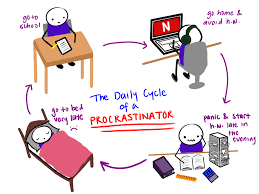
Procrastination is one of the biggest obstacles to academic success for students in high school and college in the USA. Even motivated students often delay studying, completing assignments, or preparing for exams. Procrastination increases stress, reduces productivity, and negatively affects grades.
The good news is that procrastination can be overcome with practical strategies. This guide explains why students procrastinate and provides actionable tips to stop delaying work and start studying effectively.
Why Students Procrastinate
Understanding why procrastination happens is the first step to overcoming it.
Common reasons include:
- Feeling overwhelmed by large tasks
- Fear of failure or making mistakes
- Lack of motivation or interest in the subject
- Distractions from social media, phones, or family
- Poor time management or unclear goals
By identifying your main triggers, you can take steps to avoid them.
1. Break Tasks Into Smaller Steps
Large tasks can feel overwhelming, causing students to delay starting.
How to apply:
- Instead of “Study biology chapter 5,” break it into:
- Read section 1
- Create flashcards for key terms
- Solve 5 practice questions
- Complete one small step at a time
Small steps feel achievable and reduce the urge to procrastinate.
2. Use Time Blocks and Schedules
A clear schedule reduces ambiguity and encourages action.
How to implement:
- Set specific times for each subject or task
- Use time blocks of 25–50 minutes (Pomodoro Technique)
- Include short breaks to recharge
- Plan both study and revision sessions
Structured time helps the brain stay on task and avoid delay.
3. Set Clear Goals and Deadlines
Vague goals lead to procrastination.
How to do it:
- Define precise, achievable goals (e.g., “Complete 10 math problems in 30 minutes”)
- Set personal deadlines ahead of official ones
- Track progress in a planner or app
Concrete goals provide motivation and a sense of urgency.
4. Eliminate Distractions
Digital and environmental distractions are major procrastination triggers.
Strategies:
- Keep your phone out of reach
- Use website blockers for social media
- Choose a quiet, dedicated study space
- Inform family or roommates of your study hours
Minimizing distractions helps maintain focus and momentum.
5. Use Rewards and Positive Reinforcement
Rewards increase motivation and make studying more appealing.
How to use:
- Reward yourself after completing a task (snack, short walk, or leisure activity)
- Track achievements visually (calendar or progress chart)
- Celebrate small wins to maintain motivation
Positive reinforcement strengthens habits and reduces procrastination.
6. Start With the Hardest or Most Important Task
Many students put off difficult tasks first, increasing stress later.
Tip:
- Begin with the task that requires the most effort or has the highest impact on grades
- Use smaller, easier tasks as a break afterward
Completing challenging tasks first builds momentum and confidence.
7. Use Accountability Systems
Having someone to check progress can reduce procrastination.
Options:
- Study with a partner
- Join study groups or online classes
- Share your goals with friends or family
Accountability encourages consistency and reduces the temptation to delay work.
8. Practice Self-Compassion
Perfectionism can lead to procrastination. Students sometimes delay work because they fear failure.
Tips:
- Focus on progress, not perfection
- Accept that mistakes are part of learning
- Start tasks even if conditions are not “perfect”
A forgiving mindset helps you take action without overthinking.
9. Use Visual Planning Tools
Seeing tasks laid out visually can reduce overwhelm.
Examples:
- Planners or calendars
- To-do lists with checkboxes
- Color-coded schedules for different subjects
Visual tools clarify what needs to be done and help prioritize effectively.
10. Start With Just 5 Minutes
The hardest part of studying is often starting.
How to use the 5-minute rule:
- Commit to studying for only 5 minutes
- Often, starting is enough to continue for longer
- Break inertia and create momentum
This simple strategy is surprisingly effective for overcoming procrastination.
Final Thoughts
Procrastination is not a personal flaw — it is a habit that can be changed. By breaking tasks into manageable steps, creating schedules, eliminating distractions, and using accountability and rewards, students can overcome procrastination and improve productivity.
Start small, focus on one or two strategies, and gradually adopt more. Consistent action, even in short sessions, builds discipline and leads to better academic performance and reduced stress.
Leave a Reply