Studying effectively is not just about the number of hours you spend with books. Many students in high school and college waste time on passive study methods, such as rereading textbooks or highlighting notes, without really understanding or remembering the material.
Modern research in cognitive psychology shows that active learning techniques produce much better results than passive methods. Two of the most commonly discussed approaches are active recall and passive study. This guide explains the difference, why active recall is superior, and how students in the USA can implement it for better grades.
What Is Passive Study?
Passive study refers to methods where students are exposed to information without actively engaging with it. Common passive techniques include:
- Rereading textbooks or notes multiple times
- Highlighting or underlining text
- Watching lectures or videos without taking notes
- Listening to explanations without practice
Why Passive Study Feels Easy
- It creates a sense of familiarity
- Students feel like they are learning
- It is less mentally demanding than active study
However, familiarity does not equal understanding. Passive study may help short-term recognition but fails to strengthen memory and critical thinking skills.
What Is Active Recall?
Active recall is a study technique where students actively retrieve information from memory without looking at notes.
Examples of Active Recall
- Close your textbook and write down everything you remember
- Use flashcards to test yourself
- Answer end-of-chapter questions from memory
- Explain the material aloud to someone else
Why It Works
- Strengthens neural pathways for long-term memory
- Identifies gaps in understanding
- Encourages active engagement, which improves retention
- Turns study time into productive, meaningful practice
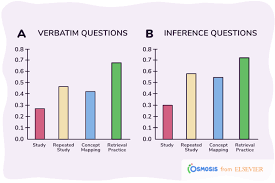
Studies show that students using active recall retain 50–100% more information than those relying on passive study.
Active Recall vs Passive Study: Key Differences
| Feature | Active Recall | Passive Study |
|---|---|---|
| Mental Effort | High – requires retrieval | Low – just reading or listening |
| Memory Retention | Strong – long-term retention | Weak – short-term recognition |
| Exam Performance | Higher | Lower |
| Engagement | Active | Passive |
| Time Efficiency | More efficient | Less efficient |
Clearly, active recall produces better learning outcomes and helps students succeed in exams.
How Students Can Use Active Recall Effectively
1. Use Flashcards
- Digital apps like Anki or Quizlet work well
- Create cards for definitions, formulas, and concepts
- Test yourself regularly using spaced repetition
2. Self-Testing
- Write practice questions after reading a chapter
- Take timed quizzes without notes
- Use previous exam papers for testing
3. Teach Someone Else
- Explaining material aloud reinforces understanding
- Helps identify weak areas that need improvement
4. Summarize Without Notes
- After studying, close all materials and write a summary
- Compare your summary with notes to find missing information
Combining Active Recall with Other Study Techniques
Active recall is most effective when combined with:
- Spaced repetition: review material over multiple days
- Pomodoro technique: focus sessions improve retrieval
- Practice testing: simulates exam conditions
These combinations create a strong, structured learning process.
When Passive Study Can Be Useful
Passive study is not completely useless. It is helpful when:
- Familiarizing yourself with new material for the first time
- Reviewing large amounts of content quickly before using active recall
- Watching explanatory videos to understand complex concepts before practicing
However, it should always be followed by active recall for real learning.
Tips for Implementing Active Recall in High School or College
- Start small — 15–20 minutes of active recall per session
- Focus on weak areas first
- Test yourself regularly, not just before exams
- Avoid distractions while practicing active recall
- Track progress to stay motivated
Consistency is key. Even short daily sessions produce better results than long, passive study sessions.
Common Mistakes Students Make
- Relying solely on rereading notes
- Not reviewing material over time (spaced repetition)
- Overloading sessions without breaks
- Ignoring feedback from practice tests
Correcting these mistakes ensures that active recall works effectively.
Final Thoughts
Active recall is one of the most powerful study techniques available. It strengthens memory, improves understanding, and leads to higher academic performance. While passive study has its place for initial exposure to material, students who rely on active recall and combine it with spaced repetition and practice testing consistently outperform their peers.
Start small, be consistent, and make active recall a core part of your study routine. The results will show in better grades, reduced stress, and greater confidence during exams.
Leave a Reply