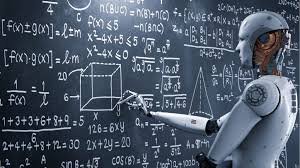
Education in 2026 is no longer confined to traditional classrooms, chalkboards, and fixed textbooks. Artificial Intelligence (AI) has become one of the most powerful forces reshaping how students learn, how teachers teach, and how educational institutions operate. From personalized learning experiences to intelligent tutoring systems, AI is transforming education into a more adaptive, inclusive, and efficient system.
As technology continues to advance rapidly, AI is not replacing teachers but empowering them. In 2026, AI-driven tools are helping students learn at their own pace, assisting teachers with administrative tasks, and providing data-driven insights that were impossible just a decade ago. This article explores how AI is changing education in 2026, its benefits, challenges, and what the future holds for learners worldwide.
1. Personalized Learning at Scale
One of the most significant impacts of AI on education in 2026 is personalized learning. Traditional education systems often follow a one-size-fits-all approach, where all students are taught the same material at the same pace. AI has changed this model completely.
AI-powered learning platforms analyze students’ performance, learning speed, strengths, and weaknesses in real time. Based on this data, the system adapts lessons, quizzes, and assignments to suit individual learners. For example, if a student struggles with mathematics but excels in language skills, AI tools can provide extra math practice while allowing faster progress in language subjects.
This level of personalization helps:
- Improve student engagement
- Reduce learning gaps
- Boost confidence and motivation
- Support both slow and fast learners
In 2026, personalized AI learning is no longer a luxury—it is becoming a standard expectation in modern education.
2. AI Tutors and Virtual Teaching Assistants
AI tutors have become increasingly sophisticated in 2026. These virtual assistants are available 24/7, allowing students to ask questions, get explanations, and practice concepts anytime, anywhere. Unlike human tutors, AI tutors do not get tired and can support millions of learners simultaneously.
AI tutors use natural language processing (NLP) to understand students’ questions and respond in a conversational way. They can explain complex topics step by step, provide examples, and even adjust explanations based on the student’s understanding level.
Virtual teaching assistants are also helping teachers by:
- Answering routine student questions
- Grading assignments
- Providing feedback on homework
- Managing online discussions
This support allows teachers to focus more on creativity, critical thinking, and emotional support rather than repetitive tasks.
3. Smart Content Creation and Curriculum Design
In 2026, AI is playing a key role in content creation and curriculum development. Educational content is no longer static. AI systems can generate interactive lessons, quizzes, summaries, and even practice exams based on curriculum standards.
Teachers can use AI tools to:
- Create customized lesson plans
- Generate examples and exercises
- Update content based on the latest knowledge
- Translate learning materials into multiple languages
AI also helps institutions design future-ready curricula by analyzing job market trends and skill demands. This ensures that students learn relevant skills such as problem-solving, data literacy, creativity, and digital competence.
4. Automated Assessment and Instant Feedback
Assessment is another area where AI is making a huge difference in 2026. Traditional exams often measure memory rather than understanding. AI-powered assessment tools can evaluate not only answers but also the learning process.
AI systems can:
- Automatically grade multiple-choice and descriptive answers
- Analyze writing quality, grammar, and structure
- Track progress over time
- Provide instant, personalized feedback
Instant feedback helps students understand their mistakes immediately, improving learning outcomes. For teachers, automated assessment saves time and reduces workload, allowing them to focus on improving teaching strategies.
5. Data-Driven Insights for Better Decision Making
Education in 2026 is increasingly data-driven, thanks to AI analytics. Schools and universities collect vast amounts of data related to attendance, performance, engagement, and behavior. AI tools analyze this data to identify patterns and predict outcomes.
These insights help educators:
- Identify at-risk students early
- Improve teaching methods
- Optimize resource allocation
- Enhance student retention rates
For example, AI can predict which students are likely to drop out and suggest interventions before it happens. This proactive approach is helping institutions improve success rates and student well-being.
6. Inclusive Education and Accessibility
AI is playing a crucial role in making education more inclusive and accessible in 2026. Students with disabilities or learning difficulties are benefiting greatly from AI-powered assistive technologies.
Some examples include:
- Speech-to-text and text-to-speech tools for visually impaired students
- AI translators for multilingual classrooms
- Personalized learning support for students with ADHD or dyslexia
- Voice-controlled learning systems
By removing barriers, AI ensures that quality education is accessible to all, regardless of physical, cognitive, or language challenges.
7. AI in Online and Remote Learning
Online education has evolved significantly by 2026, and AI is at the heart of this transformation. AI enhances virtual classrooms by making them more interactive and engaging.
AI tools support online learning through:
- Smart video recommendations
- Adaptive quizzes
- Virtual labs and simulations
- AI moderators in discussion forums
Remote learning is no longer passive. Students actively interact with AI systems that guide, challenge, and motivate them throughout their learning journey.
8. Role of Teachers in the Age of AI
Despite fears that AI might replace teachers, the reality in 2026 is quite the opposite. Teachers remain essential, but their roles are evolving. AI handles repetitive and administrative tasks, while teachers focus on mentorship, creativity, emotional intelligence, and critical thinking.
Teachers now act as:
- Learning facilitators
- Mentors and guides
- Designers of meaningful learning experiences
AI empowers teachers rather than replacing them, creating a more balanced and effective education system.
9. Challenges and Ethical Concerns
While AI offers many benefits, it also raises important challenges and ethical questions. In 2026, concerns around data privacy, algorithm bias, and over-reliance on technology are widely discussed.
Key challenges include:
- Protecting student data
- Ensuring fairness and transparency in AI algorithms
- Avoiding excessive screen time
- Maintaining human connection in learning
Educational institutions must implement clear policies and ethical guidelines to ensure AI is used responsibly.
10. The Future of Education with AI
Looking ahead, AI will continue to reshape education beyond 2026. Lifelong learning, micro-credentials, and skill-based education will become more common. AI will help learners continuously upgrade their skills in a fast-changing world.
The future of education lies in a human-AI partnership, where technology enhances learning while human values remain at the center.
Conclusion
In 2026, Artificial Intelligence is no longer a futuristic concept—it is a practical and powerful tool transforming education at every level. From personalized learning and AI tutors to automated assessments and inclusive education, AI is making learning more effective, engaging, and accessible.
However, the true success of AI in education depends on how responsibly it is used. When combined with skilled teachers, ethical practices, and a learner-centered approach, AI has the potential to create an education system that prepares students not just for exams, but for life.
Leave a Reply