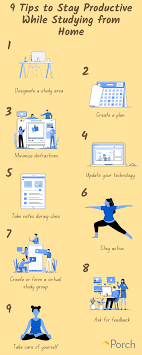
Studying at home can be both convenient and challenging. While it offers comfort and flexibility, it also presents many distractions, from phones and social media to household noise and family interruptions. Many students in high school and college struggle to maintain focus, which affects productivity and grades.
The key to successful home study is creating an environment, routine, and mindset that supports concentration. This guide explains proven strategies for staying focused while studying at home, specifically for students in the USA.
Why Staying Focused at Home Is Difficult
Several factors make studying at home harder than studying in school or libraries:
- Digital distractions: Smartphones, apps, and social media notifications
- Household noise: Family members, TV, pets, or chores
- Poor workspace: Studying in bed or cluttered areas
- Lack of routine: No fixed study schedule leads to procrastination
- Mental fatigue: Trying to multitask or study for long hours
Understanding these challenges is the first step toward overcoming them.
1. Create a Dedicated Study Space
Your study environment has a direct impact on your focus and productivity.
Tips:
- Choose a quiet, well-lit area
- Keep your desk organized and clutter-free
- Avoid studying on the bed or couch
- Ensure a comfortable chair and proper desk height
Consistency is key. Your brain associates a dedicated space with study mode, making it easier to focus.
2. Set a Fixed Study Schedule
Studying randomly reduces productivity. A fixed routine trains your mind to focus at certain times.
How to do it:
- Choose specific hours each day for studying
- Break study sessions into focused blocks (25–50 minutes)
- Include short breaks between sessions
- Plan lighter review sessions on weekends
Consistency is more important than total hours spent.
3. Minimize Digital Distractions
Phones, laptops, and social media are major focus killers.
Strategies:
- Put your phone on silent or in another room
- Use website blockers to avoid social media
- Turn off notifications
- Only use devices for study purposes
Even small distractions can significantly reduce concentration.
4. Use the Pomodoro Technique
Short, timed study sessions with breaks help maintain focus.
How it works:
- Study for 25–50 minutes
- Take a 5-minute break
- Repeat 3–4 times
- Take a longer break (15–30 minutes)
This prevents burnout and trains the brain to focus for set intervals.
5. Prioritize Tasks Using a Study Plan
A clear study plan reduces overwhelm and keeps you on track.
Tips:
- Start with the most difficult or important subject
- Break tasks into small, achievable steps
- Include review sessions and practice questions
- Avoid multitasking
A well-structured plan improves efficiency and reduces mental fatigue.
6. Keep Your Study Area Organized
Cluttered spaces reduce focus and increase stress.
Organization tips:
- Keep books, notes, and stationery in order
- Use folders or binders for each subject
- Remove unnecessary items from the desk
- Maintain a clean workspace daily
A tidy environment helps you stay mentally clear and focused.
7. Take Care of Your Body and Mind
Physical and mental well-being directly impact focus.
Recommendations:
- Get 7–9 hours of sleep
- Eat balanced meals and stay hydrated
- Take short exercise breaks or walks
- Practice mindfulness or meditation to reduce stress
A healthy body supports a focused mind.
8. Use Background Music or White Noise Strategically
Some students find that music or white noise helps concentration.
Guidelines:
- Use instrumental music, classical, or lo-fi playlists
- Avoid songs with lyrics that may distract
- White noise or ambient sounds can block household noise
Experiment to find what works best for you.
9. Set Goals and Rewards
Goal-setting keeps you motivated and accountable.
How to do it:
- Define clear daily study goals
- Reward yourself after completing tasks (short breaks, snack, or leisure activity)
- Track progress in a planner or app
Positive reinforcement improves focus and builds study discipline.
10. Limit Study Duration to Avoid Fatigue
Studying for hours without breaks reduces effectiveness.
Recommended approach:
- 1–2 hours per focused session for high school students
- 2–4 hours per day for college students
- Include short breaks and rest days
Quality matters more than quantity. Focused sessions produce better results than marathon study hours.
11. Avoid Multitasking
Switching between tasks reduces productivity and memory retention.
Focus strategies:
- Study one subject or topic at a time
- Avoid browsing social media or texting while studying
- Keep study materials ready before starting
Single-tasking improves comprehension and efficiency.
12. Track Progress and Adjust
Regularly reviewing your study habits helps improve focus over time.
How to track:
- Keep a study journal
- Note how many tasks were completed
- Identify distractions and correct them
- Adjust schedule and environment as needed
Continuous improvement leads to better results and consistent focus.
Final Thoughts
Staying focused while studying at home is challenging but achievable with the right strategies. By creating a dedicated study space, following a structured schedule, minimizing distractions, taking care of your health, and using time-management techniques like Pomodoro, students can improve concentration and productivity.
Start by implementing two or three strategies from this guide and gradually incorporate the rest. Consistency is key — focused study habits today lead to better grades and academic success tomorrow.
Leave a Reply